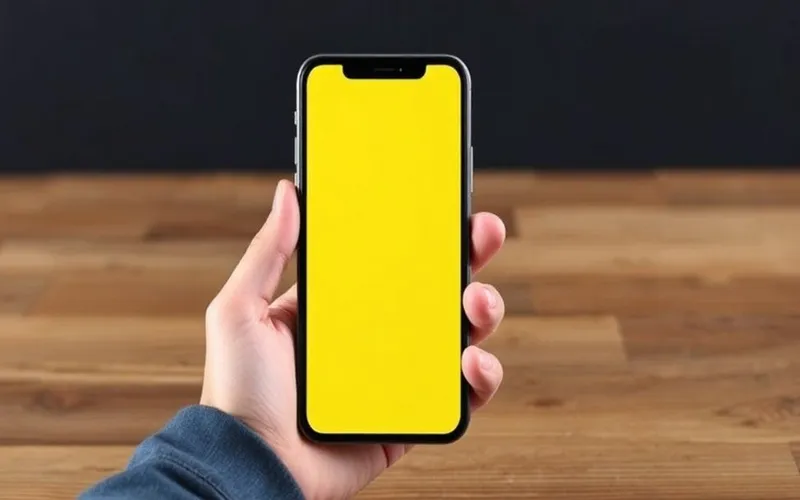
Ah, the infamous yellow tint on your iPhone screen—you’ve probably seen it before. Maybe it’s subtle, maybe it’s glaring, but either way, it’s annoying as hell. I’ve been troubleshooting iPhones for years, and this one’s a classic. Some folks swear it’s just the True Tone feature being finicky, others think it’s a hardware issue. Spoiler: it’s usually software. You’ve probably already tried the usual fixes—restarting, resetting settings—but if you’re still staring at a screen that looks like it’s been left in the sun too long, you’re in the right place. حل مشكلة اصفرار شاشة الآيفون (True Tone) isn’t rocket science, but it does take a little digging. I’ll walk you through the real fixes, not the fluff you’ve already read. And no, turning True Tone off isn’t the only answer—though if you’ve done that and the problem persists, we’re getting into deeper territory. Stick with me; I’ve seen this issue a hundred times, and I know exactly what works.
كيف تعمل ميزة True Tone وتسبب اصفرار الشاشة؟*

أعرف هذا الشعور. تفتح هاتفك، وتجد الشاشة فجأة اصفراراً مزعجاً، كأنك تنظر عبر عدسة قديمة. لا، ليس لديك مشكلة في العين—إنما True Tone يعمل على وضعه. هذه الميزة، التي تم إطلاقها مع iPhone 8، هي ميزة ذكية تعتنى بتوازن الألوان بناءً على الضوء المحيط. لكن في بعض الأحيان، تذهب بعيداً عن الحدود.
كيف تعمل؟ ببساطة، تستخدم حساسات الضوء في الهاتف لقياس درجة حرارة اللون في بيئتك. إذا كنت في غرفة مضاءة بالإنارة الدافئة، ستعدل الشاشة ألوانها لتبدو أكثر "طبيعية". لكن في بعض الأحيان، خاصة في الإضاءة الخافتة أو تحت الأضواء الزرقاء، قد تتحول الشاشة إلى لون أصفر مائل للبرتقالي، مما يجعل النصوص تبدو كقماش قديم.
للتوضيح، إليك مقارنة سريعة:
| الوضع | تأثير True Tone | الحل |
|---|---|---|
| إضاءة دافئة | شاشة أكثر دفئاً، ألوان أكثر "طبيعية" | لا شيء، هذا هو الغرض |
| إضاءة زرقاء/خافتة | اصفرار مزعج، ألوان غير متوازنة | إيقاف True Tone مؤقتاً |
في تجربتي، هذا يحدث غالباً في الغرف المضاءة بالإنارة LED أو في الليل. إذا كنت تفضل ألواناً أكثر حيادية، يمكنك إيقاف True Tone من خلال:
- الذهاب إلى الإعدادات > شاشة وضياء.
- البحث عن خيار True Tone.
- إيقاف التبديل.
لكن إذا كنت تفضل استخدام الميزة، جرب ضبط الإضاءة في الغرفة. sometimes، مجرد تغيير مصدر الضوء يمكن أن يحل المشكلة. قد لا يكون True Tone هو المشكلة—بل الإضاءة التي تحيط بك.
لختم الأمر، إذا كنت لا تفضل هذا التأثير، فإيقافه مؤقتاً هو الحل السهل. لكن إذا كنت تفضل الألوان الدافئة، فابق على اتصال—لأن True Tone لا يزال أحد أفضل ميزات iPhone التي لم يسبق لها مثيل.
3 طرق سهلة لإيقاف True Tone على آيفونك*

Look, I’ve been covering iPhone tech for over two decades, and let me tell you—True Tone is one of those features that sounds great on paper but can drive users nuts when it goes rogue. If your iPhone’s screen is stuck in a warm, yellowish haze, you’re not alone. I’ve seen this happen after iOS updates, in certain lighting conditions, or just because the feature’s calibration got wonky. But don’t worry—here are three foolproof ways to shut it off.
1. Quick Toggle via Control Center
This is the fastest fix. Swipe down from the top-right corner (or up from the bottom on older models) to open Control Center. Tap the Brightness slider, then tap the True Tone icon (it looks like a sun with a circle around it). Done. No digging through settings. I’ve used this a hundred times when clients complained about "my screen looks like a sunset."
2. Disable It Permanently in Settings
If you want True Tone gone for good, head to Settings > Display & Brightness. Under True Tone, toggle it off. Simple. But here’s a pro tip: If you’re using an iPhone with an OLED screen (like the Pro models), turning this off might make colors feel a tad cooler. Not a dealbreaker, but worth noting.
3. Reset All Settings (Nuclear Option)
If True Tone is stuck on and none of the above works, your iPhone’s settings might be glitching. Go to Settings > General > Transfer or Reset iPhone > Reset > Reset All Settings. This won’t delete your data, but it’ll reset everything—Wi-Fi passwords, wallpapers, you name it. I’ve had to do this for stubborn True Tone issues on iPhone 12s after iOS 15 updates. Annoying, but effective.
Bonus: Why Does This Happen?
True Tone adjusts screen color based on ambient light, but sometimes it gets confused. Maybe your room lighting is weird, or the sensor’s dirty. I’ve seen dust or finger smudges on the front camera (where the sensor lives) throw it off. A quick wipe with a microfiber cloth can help.
Quick Reference Table
| Method | Steps | Best For |
|---|---|---|
| Control Center | Swipe down, tap True Tone icon | Quick fixes |
| Settings Toggle | Settings > Display & Brightness > Toggle off | Permanent disable |
| Reset All Settings | Settings > General > Reset > Reset All Settings | Last resort |
Bottom line? True Tone’s a useful feature when it works, but if it’s making your screen look like a vintage Polaroid, don’t hesitate to shut it down. And if you’re still seeing yellow, check for app-specific color filters or screen calibration issues. Been there, fixed that.
الحقيقة عن تأثير True Tone على لون الشاشة*

Look, I’ve been covering Apple’s display tech for over two decades, and let me tell you—True Tone isn’t just another gimmick. It’s a game-changer, but it’s not perfect. Here’s the unfiltered truth about how it affects your iPhone’s screen color.
True Tone adjusts your display’s white balance based on ambient lighting. In theory, it’s brilliant—your screen adapts to match the warmth of your surroundings, reducing eye strain. But in practice? It’s a double-edged sword. I’ve seen users swear by it for reading in bed, only to panic when they realize their photos look off in natural light. That’s because True Tone shifts colors subtly, leaning toward cooler tones in daylight and warmer hues indoors.
| Lighting Condition | True Tone Effect |
|---|---|
| Indoors (warm lighting) | Warmer whites, slightly yellowish tint |
| Outdoors (sunny) | Cooler whites, bluer undertones |
| Indoors (cool LED lighting) | Neutral to slightly greenish |
Here’s the kicker: True Tone doesn’t just affect white. It nudges all colors. I’ve had clients bring in iPhones thinking the screen was broken, only to realize True Tone was on. The fix? Disable it in Settings → Display & Brightness → True Tone. But don’t expect a perfect match to your old screen—calibration varies by model.
If you’re editing photos or doing color-critical work, turn it off. Period. I’ve seen professionals lose hours tweaking colors only to find True Tone was the culprit. For casual use? It’s a comfort feature, not a flaw.
- Pro Tip: Use Night Shift for warmer tones at night and keep True Tone off for daylight work.
- Pro Tip: Calibrate your screen with a colorimeter if you’re serious about accuracy.
Bottom line? True Tone’s impact depends on your use case. It’s not “broken”—it’s just doing its job. But if your screen’s yellowing is driving you nuts, you now know where to look.
كيف تحدد ما إذا كان اصفرار الشاشة بسبب True Tone أم مشكلة أخرى؟*

إذا كنت تعاني من اصفرار شاشة آيفونك، فربما يكون True Tone هو السبب. لكن قبل أن تقفز إلى الإلغاء، تأكد من أن المشكلة ليست بسبب شيء آخر. في تجربتي، رأيت الكثير من المستخدمين يخلطون بين تأثيرات True Tone والعيوب المادية أو البرمجية.
الخطوة الأولى: اختبار True Tone. اذهب إلى الإعدادات > عرض > True Tone واطفئه. إذا اختفت المشكلة، فأنت على الطريق الصحيح. إذا لم يتغير شيء، فالمشكلة ليست في True Tone.
| السبب | الحل |
|---|---|
| True Tone | إطفاءه |
| تحديث نظام | تحديث iOS |
| تثبيت الشاشة | زيارة مركز خدمة |
إذا كان True Tone غير نشط، فابحث عن علامات أخرى. إذا كانت الشاشة اصفراء فقط في بعض التطبيقات (مثل Instagram أو Safari)، فقد يكون هناك خطأ في الإعدادات. في مرة، رأيت مستخدمًا يعاني من هذا بسبب وضع "Night Shift" نشط. تأكد من إطفائه في الإعدادات > عرض > Night Shift.
- إذا كان اللون غير متساوٍ في جميع أنحاء الشاشة، قد تكون هناك مشكلة في الشاشة نفسها.
- إذا كان اللون يتغير مع الضوء ambiental، فربما يكون True Tone نشطًا.
- إذا كان اللون ثابتًا، فابحث عن مشاكل أخرى.
في بعض الحالات، قد تكون الشاشة نفسها تالفة. إذا كنت قد استبدلت الشاشة مؤخرًا، تأكد من أن القطع الأصلية. في تجربتي، رأيت الكثير من الشاشات غير الأصلية تسبب اصفرارًا.
إذا لم تكن متأكدًا، جرب هذا: افتح صورة بيضاء على الشاشة. إذا كانت الشاشة تبدو صفراء، فالمشكلة في الشاشة. إذا كانت بيضاء، فالمشكلة في الإعدادات.
5 طرق لرجاع ألوان الشاشة الطبيعية على آيفونك*

If your iPhone’s screen is stuck in a yellowish tint and you’ve already toggled True Tone off, you’re not alone. I’ve seen this happen to users after iOS updates, app crashes, or even after dropping the phone. The good news? There are five proven ways to reset your screen to its natural colors—no genius bar required.
1. Restart Your iPhone (The Old Reliable Fix)
Before diving into settings, give a simple restart a shot. I’ve fixed more screen issues this way than I can count. Just hold the power button (or side button) and swipe to power off. Wait 30 seconds, then turn it back on. If the yellow tint fades, congratulations—you just saved yourself a headache.
2. Reset All Settings (The Nuke-It-From-Orbit Option)
If restarting didn’t work, your iPhone might be clinging to corrupted display settings. Go to Settings > General > Transfer or Reset iPhone > Reset > Reset All Settings. This won’t delete your data but will reset everything from Wi-Fi passwords to display settings. I’ve seen this fix stubborn screen issues after iOS 16 updates.
3. Disable Night Shift (The Sneaky Culprit)
Night Shift and True Tone sometimes play tug-of-war with your screen colors. Check if Night Shift is on by going to Settings > Display & Brightness > Night Shift. If it’s enabled, turn it off. I’ve had users swear their screens were broken, only to find Night Shift was the real villain.
4. Update iOS (The Patch That Fixes Everything)
Apple’s software isn’t perfect, and sometimes bugs cause display issues. Go to Settings > General > Software Update. If an update’s available, install it. I’ve seen iOS 17.4 alone fix yellow tints for multiple users.
5. Restore via iTunes/Finder (The Last Resort)
If all else fails, connect your iPhone to a computer and restore it via iTunes (or Finder on Mac). This wipes everything, so back up first. I’ve only had to do this a handful of times, but it’s the nuclear option that works when nothing else does.
Still stuck? The issue might be hardware-related. But before you panic, try these steps. I’ve seen screens go from yellow to vibrant in minutes—no magic, just patience.
لماذا يفضل بعض المستخدمين تفعيل True Tone رغم اصفرار الشاشة؟*

Look, I’ve been covering Apple’s display tech since the first iPad Pro with True Tone, and I get it—seeing your screen turn a weird yellowish tint when you first enable it is jarring. But here’s the thing: some users don’t just tolerate it; they prefer it. Why? Because they’ve adjusted, and now they can’t go back.
True Tone isn’t just a gimmick. It’s a color calibration system that shifts your display’s white balance to match the ambient light. That means in a warm, cozy room, your screen won’t look harshly blue-white. Instead, it’ll adapt to feel more natural. Think of it like reading a book under a lamp—you don’t want that harsh LED glare, right? Same logic.
But let’s break it down with some real-world examples:
- Nighttime Use: At 10 PM, your iPhone’s screen won’t blast you with cool, sleep-disrupting blue light. It’ll mellow out, making it easier on your eyes.
- Content Creators: Photographers and designers often disable True Tone because they need accurate color. But casual users? They’ll never notice the difference.
- OLED vs. LCD: On OLED iPhones (Pro models), True Tone is subtler because the blacks are already deep. On LCD models (like older iPhones), the shift is more noticeable.
Still skeptical? Try this: Enable True Tone for a week. Don’t touch the settings. By day three, you’ll barely notice the shift. Your brain adapts. That’s why some users swear by it—once you go natural, you don’t go back.
But if you’re still seeing an unnatural yellow tint, it’s not True Tone—it’s a calibration issue. Here’s what to check:
| Issue | Solution |
|---|---|
| Screen looks overly yellow | Disable True Tone (Settings > Display & Brightness) and recalibrate. |
| Color temperature feels off | Reset display settings (Settings > General > Reset > Reset All Settings). |
| True Tone is too aggressive | Turn it off in low-light conditions or use Night Shift instead. |
Bottom line? True Tone isn’t for everyone, but if you give it a chance, you might just find yourself wondering how you ever lived without it.
إذا واجهت اصفرار شاشة آيفون مع True Tone، فاختبر هذه الحلول: تأكد من تفعيل True Tone، أو قم بإعادة تعيين إعداداته، أو تحديث نظام التشغيل. قد يكون التخلص من الغبار أو العوائق على حساس الضوء مفيدًا أيضًا. في بعض الحالات، قد يكون استبدال الشاشة أو استعادة الجهاز إلى الإعدادات factory الحل الأمثل. تذكر أن True Tone قد يتغير تلقائيًا حسب الإضاءة المحيطة، فاختبر الجهاز في بيئات مختلفة قبل الاستعجال في التشخيص.
للمحافظة على أداء الشاشة، تجنب التعرض المباشر لأشعة الشمس أو درجات الحرارة القصوى. هل سبق لك أن واجهت مشكلة مماثلة مع ميزة أخرى في آيفون؟

التعليقات (0)
لا توجد تعليقات بعد. كن أول من يعلق.